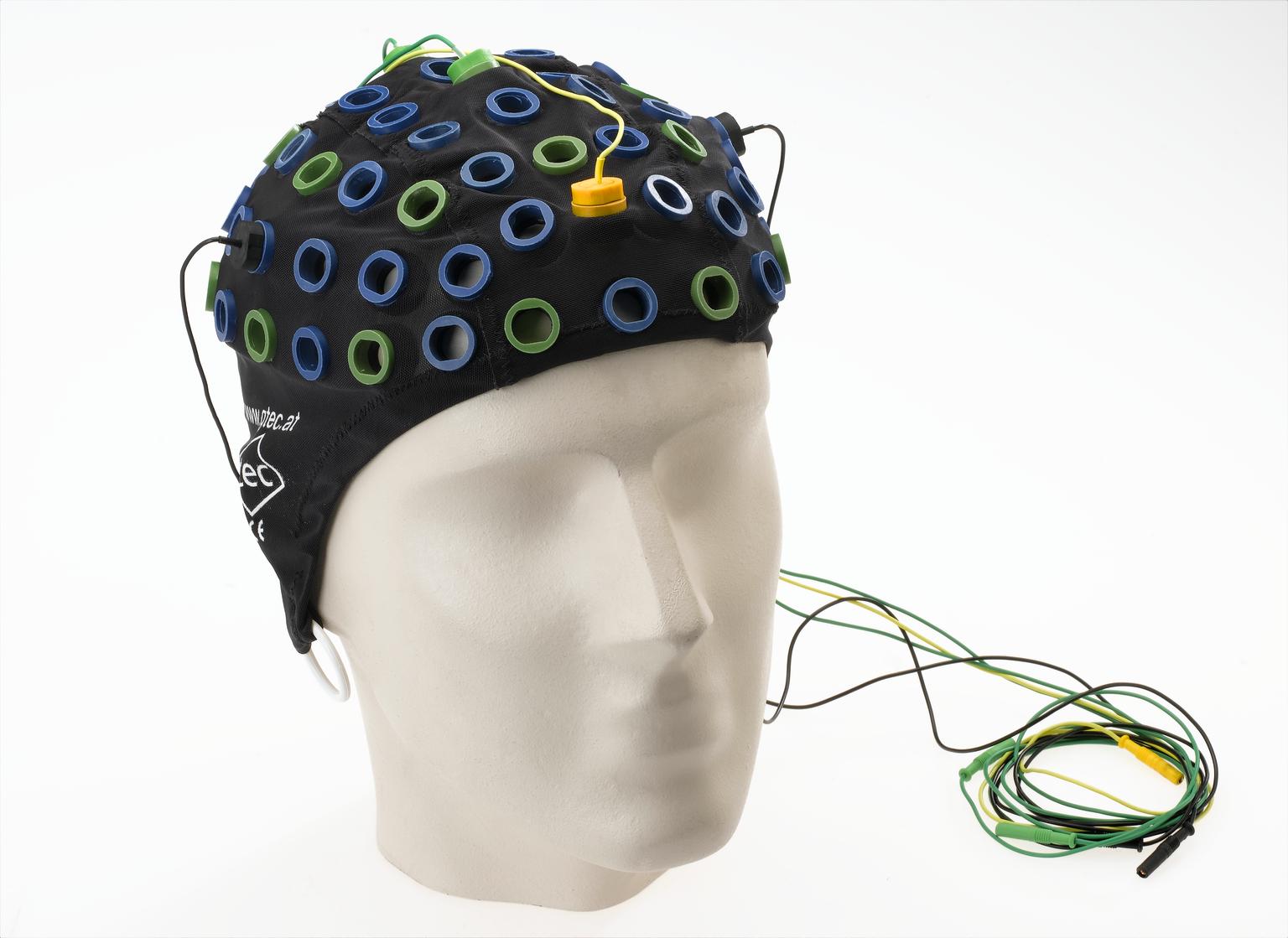
Brain computer interfaces combine advanced tech, smart AI models, and neurobiology to read your mind. Tiny sensors pick up brain signals and turn them into digital words on a screen. Today, paralyzed patients use this science to talk with loved ones and move robotic arms fast.
How Brain Computer Interfaces Work
Your brain works using electricity. Every time you think of a word or try to move your hand, thousands of brain cells send small electrical sparks. Brain computer interfaces, or BCIs, use tiny grid chips placed on the brain surface to catch these micro sparks. The chip sends the raw signals to a nearby computer running trained software.
Artificial intelligence makes the system fast enough for daily life. In the past, scientists tried to write strict rules for every single brain signal, which was too slow. Modern AI models listen to thousands of signals at once and learn your unique thought patterns. If you picture holding a pen, the AI learns that exact pattern and moves a mouse cursor right where you want it.
How Do Brain Computer Interfaces Change Daily Life?
BCIs are already moving out of research labs and into real human lives. People who lost the ability to speak or walk due to strokes or severe injuries are testing these tools at home. Instead of typing one letter every minute with an eye tracker, patients can now type up to 60 words per minute just by imagining their hands writing standard sentences on paper.
Researchers in the field of science and technology studies track how these devices alter human connection and independence. Beyond basic typing, trial participants use thought control to adjust room lights, send private text messages, and play simple digital video games with their kids. This tech brings back personal privacy for people who used to rely on full-time human help for every single task.
Real Breakthroughs in Mind Technology Today
Several major projects have proven that thought control works reliably outside of science fiction books. Real companies and universities have turned deep science into working daily software.
- Neuralink N1 Implant: Uses 1,024 microscopic threads placed in the brain to let paralyzed users control a laptop computer and play digital chess using thoughts.
- Stanford University BCI Study: Helped a woman with severe ALS speak aloud through a digital avatar at 62 words per minute by decoding her speech attempts.
- Synchron Stentrode: Slides a flexible brain sensor through blood vessels without open brain surgery, letting users safely shop online and send emails.
- BrainGate Clinical Trials: Allowed stroke survivors to move real robotic arms to drink water and eat food independently for the first time in years.
The Impact of Brain Tech on Human Culture
As brain interfaces get smaller and safer, our broader culture will face big questions about privacy and focus. Today, companies track what you tap on a screen. Tomorrow, smart software might record your physical focus levels or private emotional reactions before you even say a word out loud. People will need to set strong boundaries for digital thought privacy.
At the same time, this science will change how human beings create art, music, and stories. Artists are already using early non-invasive headbands to draw digital shapes using calm brain states. Government offices like the UK Department for Science, Innovation and Technology fund research into how smart tech affects our everyday life. In the near future, typing on a plastic keyboard might look as old-fashioned as writing on stone tablets.
What You Should Watch for Next
The next big goal for scientists is making brain implants wireless and long-lasting. Right now, many trial patients still need a small connector on their head or a short wire to link to a computer. Medical teams are working on fully hidden sensors that charge wirelessly through the skin just like a smartphone.
You can follow this fast-moving field by reading real medical news from universities hosting human clinical trials. Keep an eye out for non-invasive headbands that claim to read brain waves without surgery. While soft headbands are less powerful than implants, they will likely be the first brain interfaces sold to everyday consumers for gaming and work focus.
Comments
Post a Comment